Everybody Loses: The Tumultuous Rise of American Sports Gambling, by Danny Funt
- Get link
- X
- Other Apps
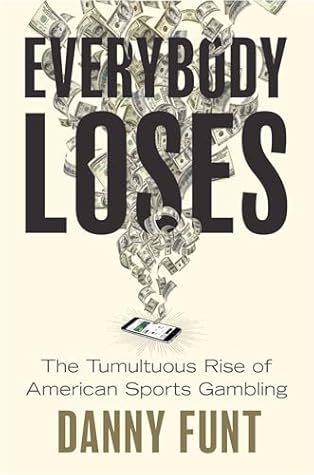
Everybody Loses: The Tumultuous Rise of American Sports Gambling
by

by
This book provides a history of sports gambling and reviews the many years through which it was the general consensus that it should not be allowed because it would threaten the integrity of the game. It’s true that illegal betting took place, but that required connections and knowledge and remained largely hidden from the public.
The 2018 Supreme Court decision legalizing sports betting brought a dramatic change in direction. Major sports leagues (NFL, NBA, MLB, NHL) shifted from opposing gambling to embracing it after discovering the massive profit potential in television and media partnerships. Most States saw it as a way to fill gaps in their budgets so they rushed to legalized sports gambling with little or no concern for the harm it might cause. Now suddenly anyone with a smartphone and credit card could gamble at any time..
This book explores the business model followed by platforms such as FanDuel and DraftKings. Customers who consistently lose large volumes of money are treated as VIPs and are recipients of free gifts. “Sharps” who show signs of consistently winning are quickly limited to the size and number of bets they can place. In other words, you’re allowed to lose big but not win big.
The book provided examples of the harm caused by sports gambling that varied from victims losing their life's savings to athletes receiving death threats for causing a gambler’s loss. The book suggests that it has impacted society much like a new recreational drug hitting the market. As was the case for tobacco and opioids, after the harm becomes more apparent with time the remedial measures will need to be taken, probably in area in restricted advertising.
The following excerpt regarding an interview with Joshua Grubbs, a psychologist from the University of New Mexico, provides an interesting prediction of where things are headed.
The 2018 Supreme Court decision legalizing sports betting brought a dramatic change in direction. Major sports leagues (NFL, NBA, MLB, NHL) shifted from opposing gambling to embracing it after discovering the massive profit potential in television and media partnerships. Most States saw it as a way to fill gaps in their budgets so they rushed to legalized sports gambling with little or no concern for the harm it might cause. Now suddenly anyone with a smartphone and credit card could gamble at any time..
This book explores the business model followed by platforms such as FanDuel and DraftKings. Customers who consistently lose large volumes of money are treated as VIPs and are recipients of free gifts. “Sharps” who show signs of consistently winning are quickly limited to the size and number of bets they can place. In other words, you’re allowed to lose big but not win big.
The book provided examples of the harm caused by sports gambling that varied from victims losing their life's savings to athletes receiving death threats for causing a gambler’s loss. The book suggests that it has impacted society much like a new recreational drug hitting the market. As was the case for tobacco and opioids, after the harm becomes more apparent with time the remedial measures will need to be taken, probably in area in restricted advertising.
The following excerpt regarding an interview with Joshua Grubbs, a psychologist from the University of New Mexico, provides an interesting prediction of where things are headed.
Grubbs thinks that the sports betting companies will only start changing when PR considerations and public backlash leave them no choice. He predicts that one of three potential disasters is likely to be the thing to do it. Either a rash of young sports bettors will commit suicide over a short period of time, a gambler will attempt to murder an athlete who cost them money, or gambling-related corruption will taint a high-profile sporting event. Grubbs hopes it ends up being the last option. At least that one doesn't involve people dying.There was no mention of the new prediction markets such as Polymarket and Kalshi, which I think are not controlled by States because they're prediction platforms, not gambling. The author will have to investigate those markets for his next book.
- Get link
- X
- Other Apps


Comments
Post a Comment